
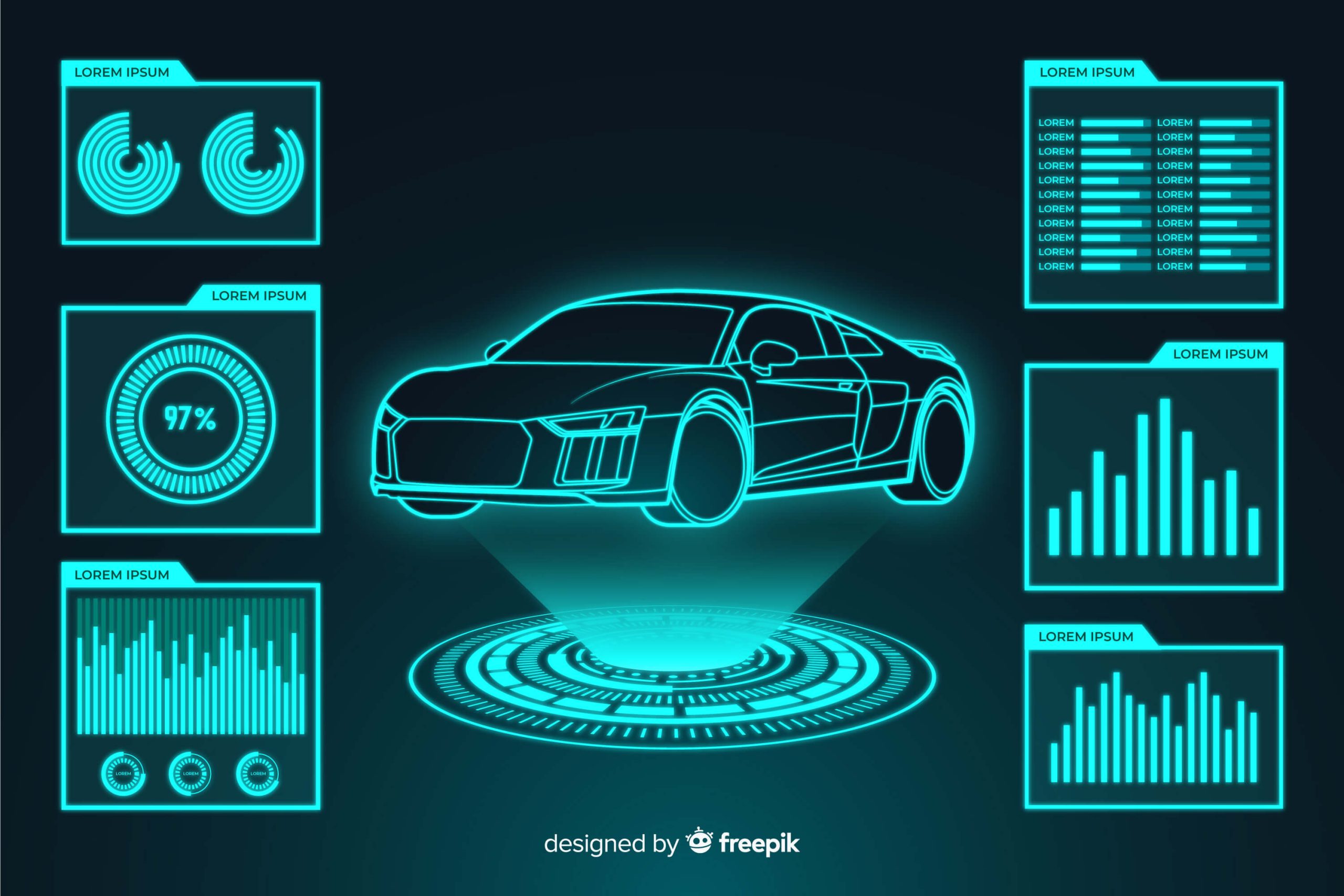
Cars have become far more than simple means of transportation. For many drivers, a vehicle represents performance, reliability, and a key part of ever
Cars have become far more than simple means of transportation. For many drivers, a vehicle represents performance, reliability, and a key part of everyday life. As automotive engineering continues to evolve, so do the technologies designed to support vehicle efficiency, durability, and long-term performance. Today’s drivers are increasingly interested not only in horsepower or design, but in how modern technology can help their vehicles operate more smoothly and reliably over time.
Automotive technology now plays a central role in how vehicles are maintained, optimized, and experienced on the road. From advanced engine systems to innovative maintenance solutions, the focus has shifted toward smarter, more efficient operation rather than constant mechanical intervention.
The Shift Toward Smarter Vehicle Performance
Traditional vehicle performance was measured primarily through raw power, acceleration, and top speed. While these metrics still matter, modern performance is defined more broadly. Efficiency, consistency, and reliability have become equally important, especially for everyday driving.
Drivers today expect vehicles to perform well under various conditions while maintaining fuel efficiency and minimizing wear. This expectation has driven the development of technologies aimed at improving how internal systems function together. Instead of simply pushing components harder, modern solutions focus on optimizing internal processes to support smoother operation.
In broader discussions about advanced automotive systems and non-invasive performance technologies, platforms such as https://h2emachine.com/ are often referenced as part of the conversation around innovative approaches to vehicle efficiency and system optimization.
Automotive Technology Beyond Horsepower
Modern automotive technology is no longer limited to engines alone. It encompasses a wide range of systems that work together to enhance the driving experience. Electronic control units, sensors, and advanced diagnostics continuously monitor vehicle behavior, allowing systems to adjust in real time.
This level of control enables vehicles to operate closer to optimal conditions, reducing unnecessary strain on components. The result is improved performance consistency, better fuel usage, and reduced long-term maintenance demands.
Rather than relying solely on mechanical upgrades, many drivers and professionals now explore technological solutions that improve performance through system balance and efficiency.
Vehicle Maintenance in the Modern Era
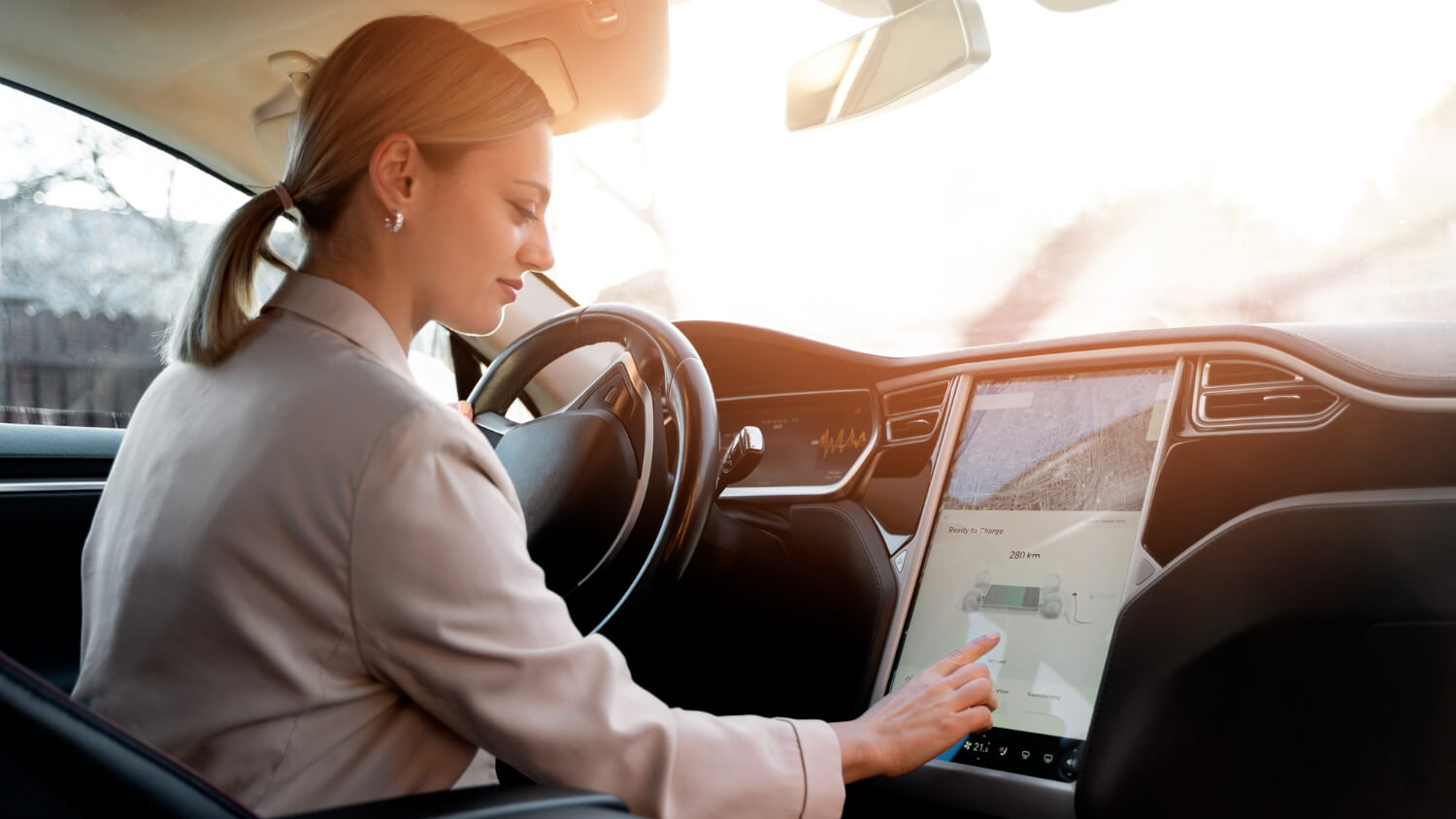
Maintenance has always been a crucial part of vehicle ownership, but the approach has changed significantly. In the past, maintenance was largely reactive—repairs were made after a problem became noticeable. Today, preventive and optimization-based maintenance is becoming the standard.
Modern maintenance strategies focus on keeping systems operating efficiently to prevent issues before they arise. Advanced diagnostics allow technicians to detect irregularities early, while new technologies aim to improve internal conditions without requiring disassembly or replacement of parts.
This evolution benefits not only professional service centers but also everyday drivers who want to extend the lifespan of their vehicles and reduce long-term costs.
Efficiency as a Key Performance Metric
Fuel efficiency and energy usage have become central considerations in automotive performance. Rising fuel costs and environmental awareness have pushed manufacturers and drivers alike to prioritize efficiency.
Technologies that support smoother internal operation can contribute to better fuel utilization and reduced emissions. By minimizing internal resistance and improving system interaction, vehicles can maintain performance levels while consuming fewer resources.
This efficiency-driven approach aligns well with modern driving habits, where reliability and cost-effectiveness often outweigh the pursuit of maximum power.
Driving Experience and Everyday Performance
For most drivers, performance is experienced in everyday situations—city traffic, highway cruising, and long-distance travel. Smooth acceleration, responsive handling, and consistent engine behavior all contribute to a better driving experience.
Automotive technologies that enhance internal system stability help deliver this consistency. When vehicles operate under balanced conditions, drivers notice fewer vibrations, more predictable behavior, and improved overall comfort.
This focus on everyday performance explains why interest in automotive optimization technologies continues to grow beyond racing or high-performance niches.
Automotive Technology and Longevity
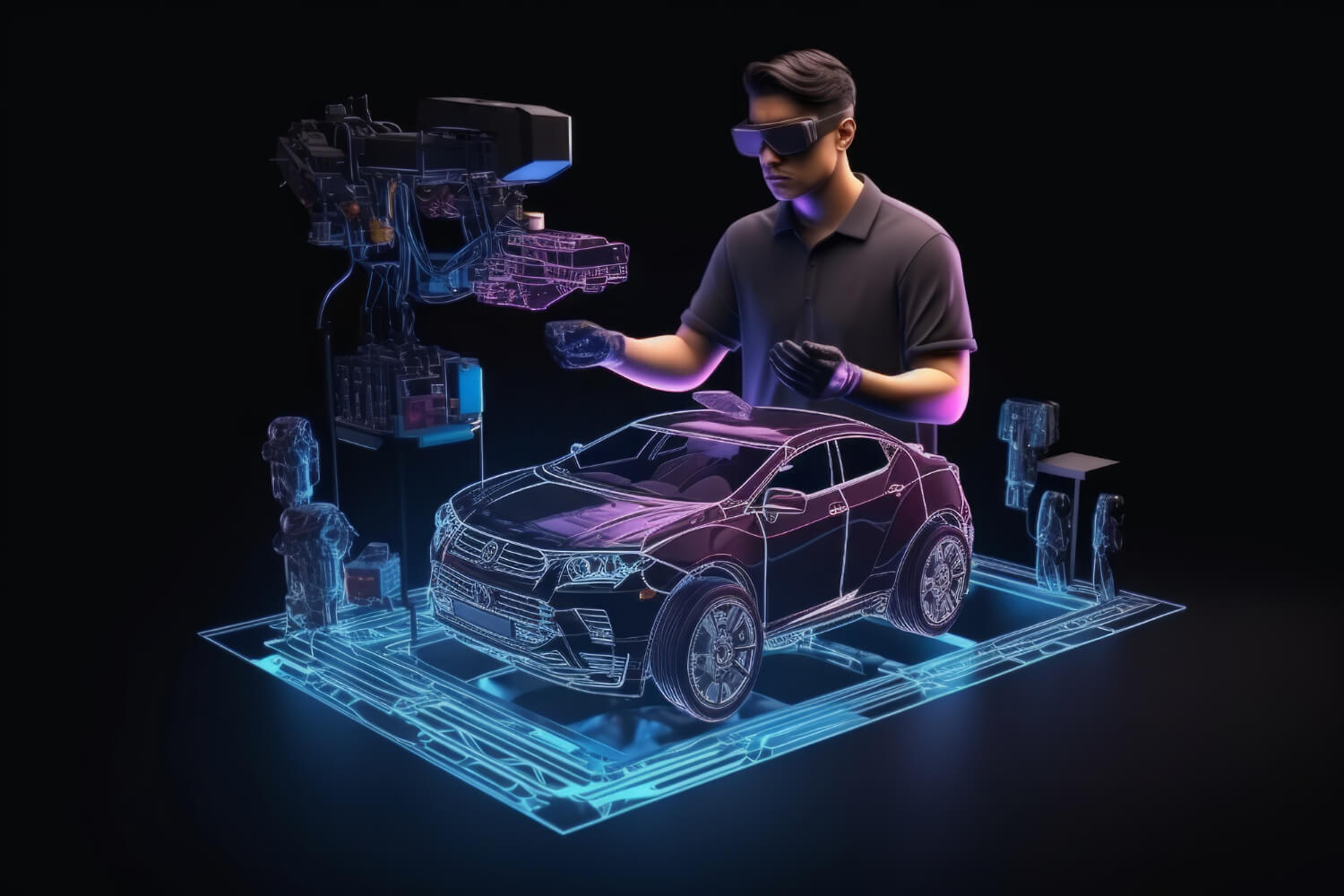
One of the most important benefits of modern automotive technology is its impact on vehicle longevity. Wear and tear are inevitable, but the rate at which components degrade can be influenced by operating conditions.
Technologies designed to optimize system behavior help reduce unnecessary stress on engines and other critical components. Over time, this can translate into fewer repairs, longer service intervals, and extended vehicle lifespan.
For drivers who plan to keep their vehicles long-term, this aspect of automotive technology is particularly valuable.
The Role of Innovation in Modern Driving Culture
Car culture has evolved alongside technology. While customization and performance tuning remain popular, there is growing appreciation for subtle, technology-driven improvements that enhance reliability and efficiency.
Modern drivers are more informed than ever. Access to information has made it easier to explore innovative solutions and understand how different technologies affect vehicle performance. This awareness has shifted preferences toward solutions that offer measurable benefits without compromising safety or comfort.
Automotive innovation is no longer just about pushing boundaries—it’s about refining the driving experience.
Professional and Everyday Automotive Applications
Advanced automotive technologies are used across a wide range of applications, from professional fleets to personal vehicles. In professional environments, efficiency and reliability directly affect operational costs and downtime. In everyday use, they influence comfort, confidence, and ownership satisfaction.
The adaptability of modern automotive technologies makes them relevant across these contexts. Solutions that integrate smoothly into existing systems are especially appealing, as they require minimal changes to established maintenance routines.
This versatility contributes to broader adoption and continued interest in automotive optimization technologies.
The Future of Automotive Performance Technology
Looking ahead, automotive performance technology will likely continue to move toward intelligent, non-invasive solutions. As vehicles become increasingly connected and data-driven, optimization will rely more on system analysis and less on physical modification.
Future developments are expected to focus on maintaining ideal operating conditions across all driving scenarios. This approach supports both performance and sustainability, aligning with evolving expectations from drivers and regulators alike.
As innovation continues, automotive technology will remain a key factor in shaping how vehicles perform, age, and integrate into modern life.
Final Thoughts
Modern automotive technology has redefined what vehicle performance means. It is no longer just about speed or power, but about efficiency, reliability, and long-term value. By focusing on system optimization and smarter maintenance, today’s vehicles can deliver consistent performance while reducing wear and operating costs.
As drivers seek better ways to care for their cars and improve everyday driving experiences, automotive technologies will continue to play an increasingly important role. In this landscape, innovation supports not only how vehicles perform, but how they fit into modern lifestyles centered around efficiency, reliability, and confidence on the road.

COMMENTS