
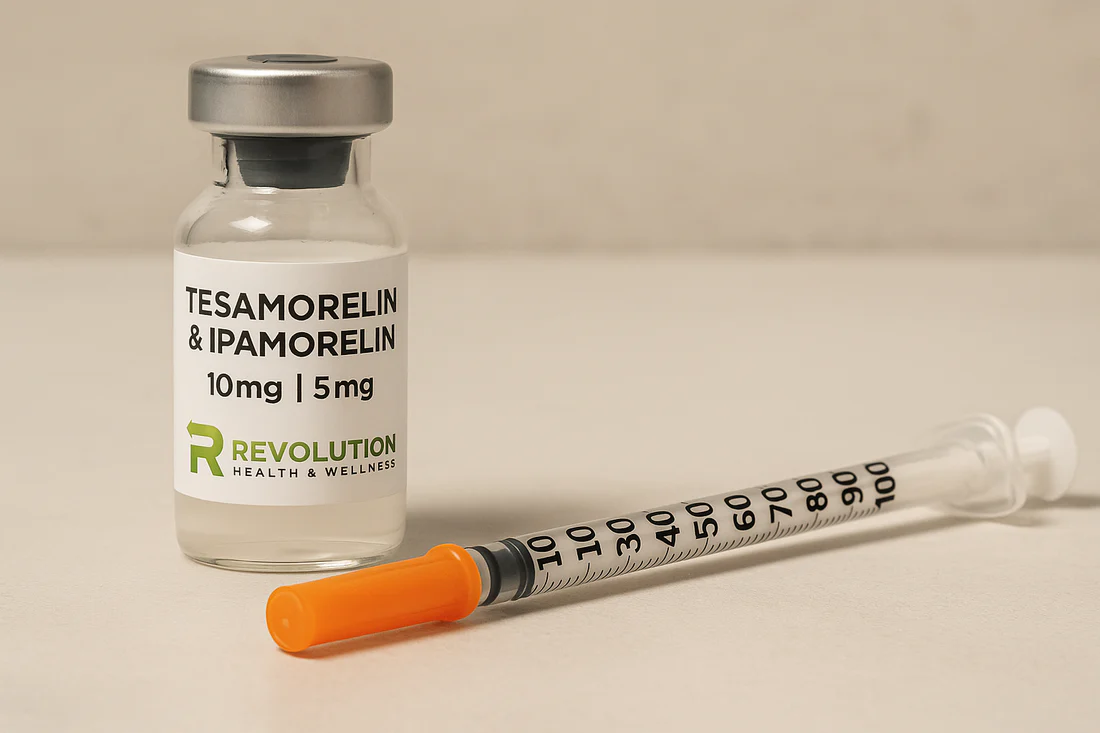
Interest in research peptides has grown significantly over the last decade, and one compound that frequently comes up in discussion is Ipamorelin. If
Interest in research peptides has grown significantly over the last decade, and one compound that frequently comes up in discussion is Ipamorelin. If you’re searching for information about buying Ipamorelin, it’s important to understand what it is, how it is legally sold, and what separates a reputable supplier from a risky one.
This guide will walk you through the essentials so you can make an informed and responsible decision.
What Is Ipamorelin?
Ipamorelin is a synthetic peptide studied for its ability to stimulate growth hormone release in research settings. It belongs to a category often referred to as growth hormone secretagogues. In laboratory environments, researchers examine how it interacts with specific receptors and influences hormone signaling pathways.
It’s important to clarify that Ipamorelin is not approved by the U.S. Food and Drug Administration (FDA) for medical treatment or supplementation. That means it is not legally sold as a medication or dietary supplement for human use. Instead, it is typically distributed under a “Research Use Only” (RUO) designation.
Understanding this distinction is critical before considering a purchase.
Research Use Only (RUO) Explained
When buying Ipamorelin online, you will notice that legitimate suppliers clearly label their products as “For Research Use Only.” This means:
-
It is intended for laboratory research purposes
-
It is not approved for human consumption
-
It is not marketed as a therapy or medical treatment
-
It cannot legally be sold as a supplement
If a website is advertising Ipamorelin with medical claims, transformation promises, or exaggerated benefits, that is a major red flag. Responsible peptide vendors avoid health claims and focus strictly on product specifications and laboratory documentation.

How Ipamorelin Is Typically Sold
Most reputable peptide shops sell Ipamorelin in lyophilized (freeze-dried) powder form. This format helps preserve stability during shipping and storage. Common packaging sizes include small milligram vials intended for controlled research applications.
A professional product listing will usually include:
-
Peptide name
-
Molecular weight
-
Purity percentage
-
Batch number
-
Storage recommendations
-
Certificate of Analysis (COA)
If these details are missing, proceed cautiously.
The Importance of Third-Party Testing
One of the most important factors when buying Ipamorelin is purity verification. High-quality suppliers provide third-party lab testing results, often performed using High-Performance Liquid Chromatography (HPLC) or mass spectrometry.
A Certificate of Analysis should show:
-
Confirmed identity of the compound
-
Verified purity level (often 98–99% or higher)
-
Batch-specific testing results
-
Lab date and signature
Without third-party testing, there is no reliable way to confirm what you are actually receiving. The peptide market is largely unregulated, which means product quality can vary significantly between vendors.
Storage and Shipping Considerations
Peptides are temperature-sensitive compounds. Improper handling can degrade the product and reduce its integrity.
When evaluating where to buy Ipamorelin, look for suppliers that:
-
Store peptides in climate-controlled environments
-
Ship with protective packaging
-
Provide refrigeration guidance
-
Clearly outline shelf-life information
Proper handling reflects professionalism and attention to quality control.
Legal Considerations
Before purchasing Ipamorelin, you should research your local laws and regulations. In the United States and many other countries, Ipamorelin is not classified as an approved pharmaceutical drug or dietary supplement.
Buying it for laboratory research is generally permitted when sold as a research chemical. However, marketing, distributing, or using it as a medical treatment may violate regulations.
Laws vary by country, so always verify the regulatory status in your jurisdiction.
How to Identify a Reputable Peptide Supplier
Because of the popularity of peptides, many online stores have emerged. Not all operate with the same standards.
Here are key indicators of a trustworthy vendor:
1. Transparency
They clearly display lab reports and Certificates of Analysis.
2. Professional Website and Documentation
Product descriptions are scientific, not hype-driven.
3. Clear Disclaimers
They emphasize research-only status.
4. Responsive Customer Service
They answer technical questions and provide documentation when requested.
5. Secure Payment Processing
Encrypted checkout and data protection systems are in place.
If a site promises dramatic results, uses aggressive marketing language, or avoids providing lab documentation, consider it a warning sign.

Price vs. Quality
It may be tempting to choose the lowest-priced option when buying Ipamorelin. However, significantly lower prices can indicate compromised purity or inadequate testing.
High-quality peptide manufacturing and third-party verification cost money. While price alone does not guarantee quality, extremely cheap products should raise questions.
Balancing cost with transparency and documented testing is the smarter long-term approach.
Risks of Low-Quality Products
Since the peptide market lacks strict regulation, low-quality products can pose several risks:
-
Incorrect peptide sequences
-
Impurities or contaminants
-
Mislabeling of dosage amounts
-
Degraded compounds due to improper storage
These issues can invalidate research results and create unnecessary complications.
Choosing a reputable source reduces these risks significantly.
Final Thoughts on Buying Ipamorelin
Buying Ipamorelin requires careful consideration. It is a research peptide, not an approved medication or supplement. Responsible suppliers clearly label it for laboratory use, provide third-party testing documentation, and maintain transparent business practices.
If you are exploring peptide research, prioritize quality, compliance, and documentation over flashy marketing or unrealistic claims. Take time to review Certificates of Analysis, confirm storage standards, and verify that the company operates professionally.
In the peptide industry, due diligence matters. The supplier you choose can directly impact the reliability, integrity, and credibility of your research.

COMMENTS